I didn’t fully watch the ethnography video, but I did watch the interview, and my thought process on that video was that the guy who got interviewed was very scummy. My reasoning for this is that when he was asked about making people possibly uncomfortable by video-taping them extremely closely, he said that they could simply tell him to stop, and this answer is not only hugely disdainful, but invalid because in certain cultures, specifically in Asian communities generally prioritize the needs and comfort of the group over the individual. Causing a scene, arguing, or directly confronting someone, even a stranger filming without permission, is often viewed as disruptive to public harmony and a greater inconvenience than simply enduring the discomfort.
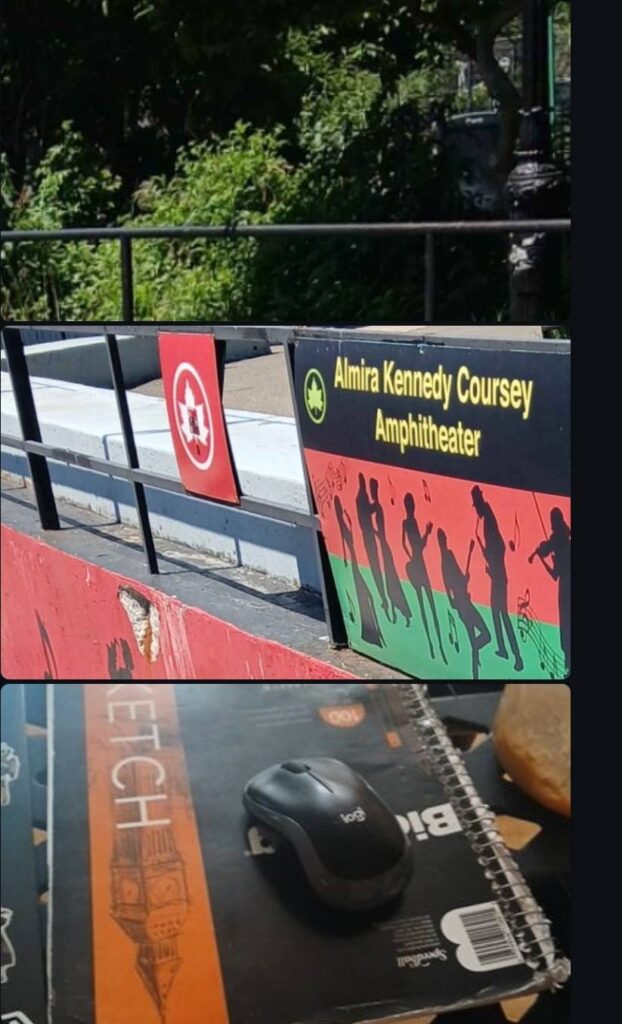
For my project, I chose Riverside Park. The 3 interactions I noticed were that when I was sitting down, there were a lot of people jogging and cycling near the waterside, many couples and tourists taking pictures, and most of the people were Asian.
Throughout my week, learning about how ethnographers work and about the short story “The Cask of Amontillado,” I have come to realize that, in history, humans have often been very evil and biased about certain things. Just like with ethographing, people judge others based on how they present themselves, such as their color, sex, gender, and race. If it doesn’t fit a certain narrative, they try to perceive it as a bad thing or as not belonging in society, making certain claims about people unreliable or outright wrong.
Not all people have these biases, but it’s encouraged to dislike certain people or harm these certain people because these biases tend to challenge social norms of most societies.
Welcome to CUNY Academic Commons. This is your first post. Edit or delete it, then start blogging!
Need help with the Commons?
Email us at [email protected] so we can respond to your questions and requests. Please email from your CUNY email address if possible. Or visit our help site for more information: